
Upcoming In-Person Courses

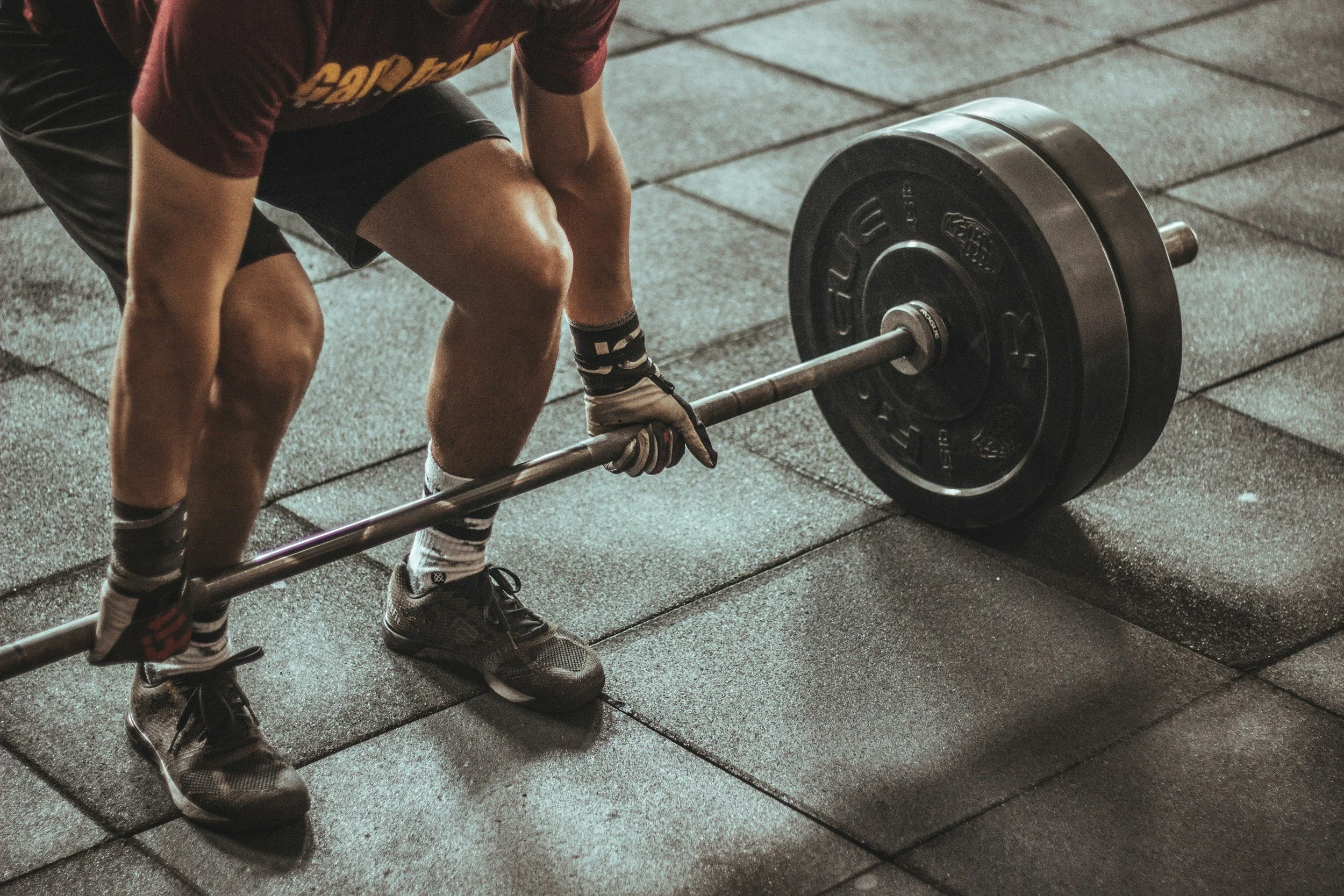
Lifting Literacy: Coaching Barbell Movements with Confidence
Build confidence in coaching and performing two of the most foundational barbell lifts: the back squat and deadlift. Learn how to assess, cue, and modify these movements for patients across all stages of rehab—from return to sport to everyday strength goals.
What You’ll Cover:
Squat and deadlift mechanics: what to look for in your patients
Cueing strategies that actually change movement
How to modify barbell lifts across rehab stages
Common errors and how to correct them in real time
Programming barbell training for everyday and athletic patients
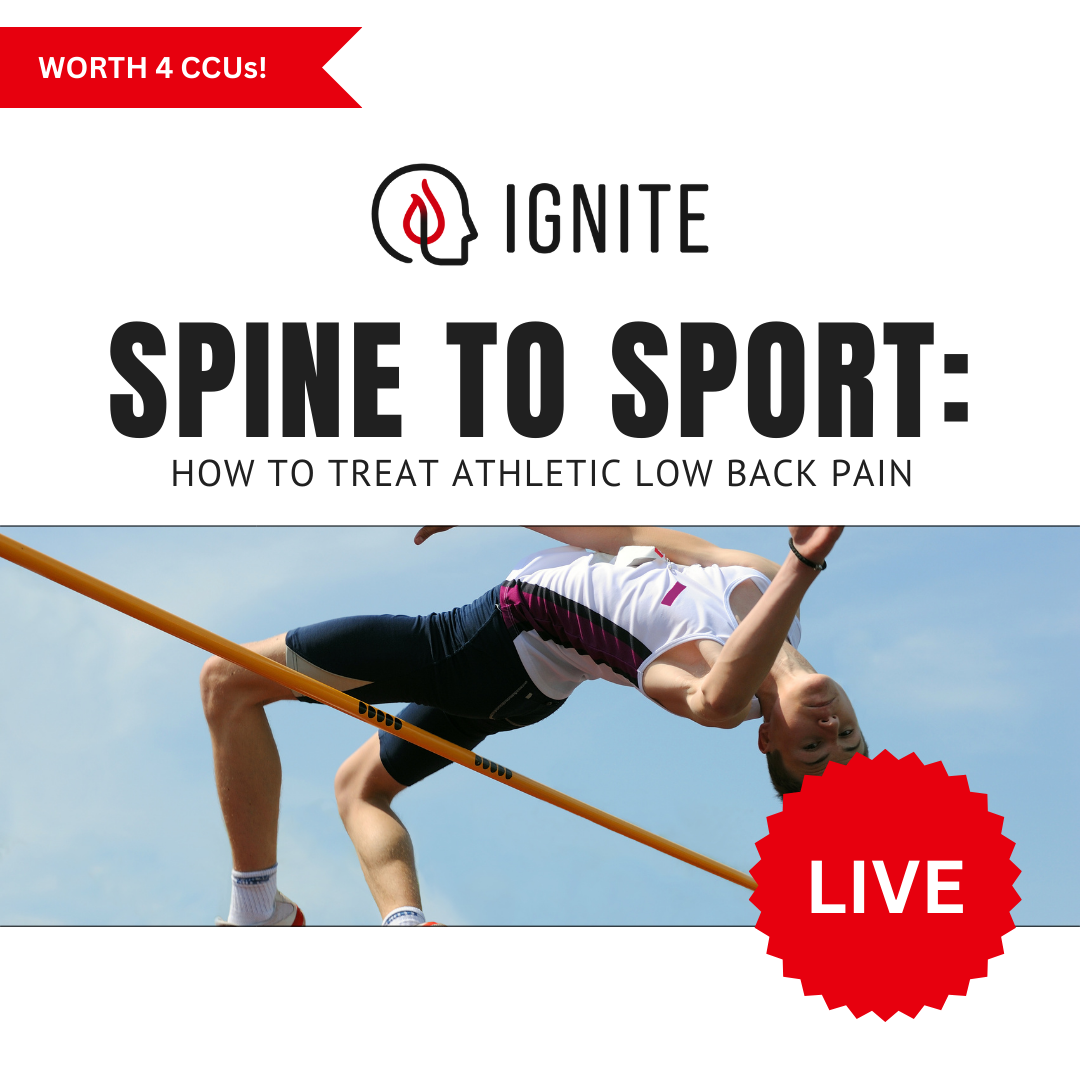
Spine to Sport: How to Treat Athletic Low Back Pain
This course addresses the often-overlooked phase of spine rehab: returning to high-level movement. You'll learn how to take patients with low back pain from the strength phase through plyometrics, sprinting, and agility with clear criteria, progression strategies, and real-world application.
What You’ll Cover:
The return-to-sport continuum: where most clinicians stall and why
Criteria-based progressions from strength to plyometrics
Sprinting and agility reintroduction for LBP patients
Evidence-based assessment and outcome measures
Real-world case studies and hands-on clinical application
Neuropathic Pain Fundamentals
Neuropathic pain is frustrating—because it’s often unclear. You’re looking at a patient with burning, radiating, or hypersensitive symptoms… and you’re left wondering: Is this central or peripheral? Is this a radiculopathy, nerve involvement, or something else entirely? Should I treat, refer out, or dig deeper?
Neuropathic Pain Fundamentals is designed to simplify the complexity. This 4-hour, high-impact course gives you a clear, practical framework to confidently identify, categorize, and manage neuropathic pain in the clinic—without overcomplicating your process.
What You’ll Cover:
How to confidently differentiate central vs. peripheral neuropathic pain
Key screening tools and subjective interview strategies that actually guide decision-making
How to determine whether symptoms are driven by nerve conduction, movement sensitivity, or chemical irritation
Clear clinical reasoning for when to treat vs. when to refer
A simplified framework to build and progress effective treatment plans
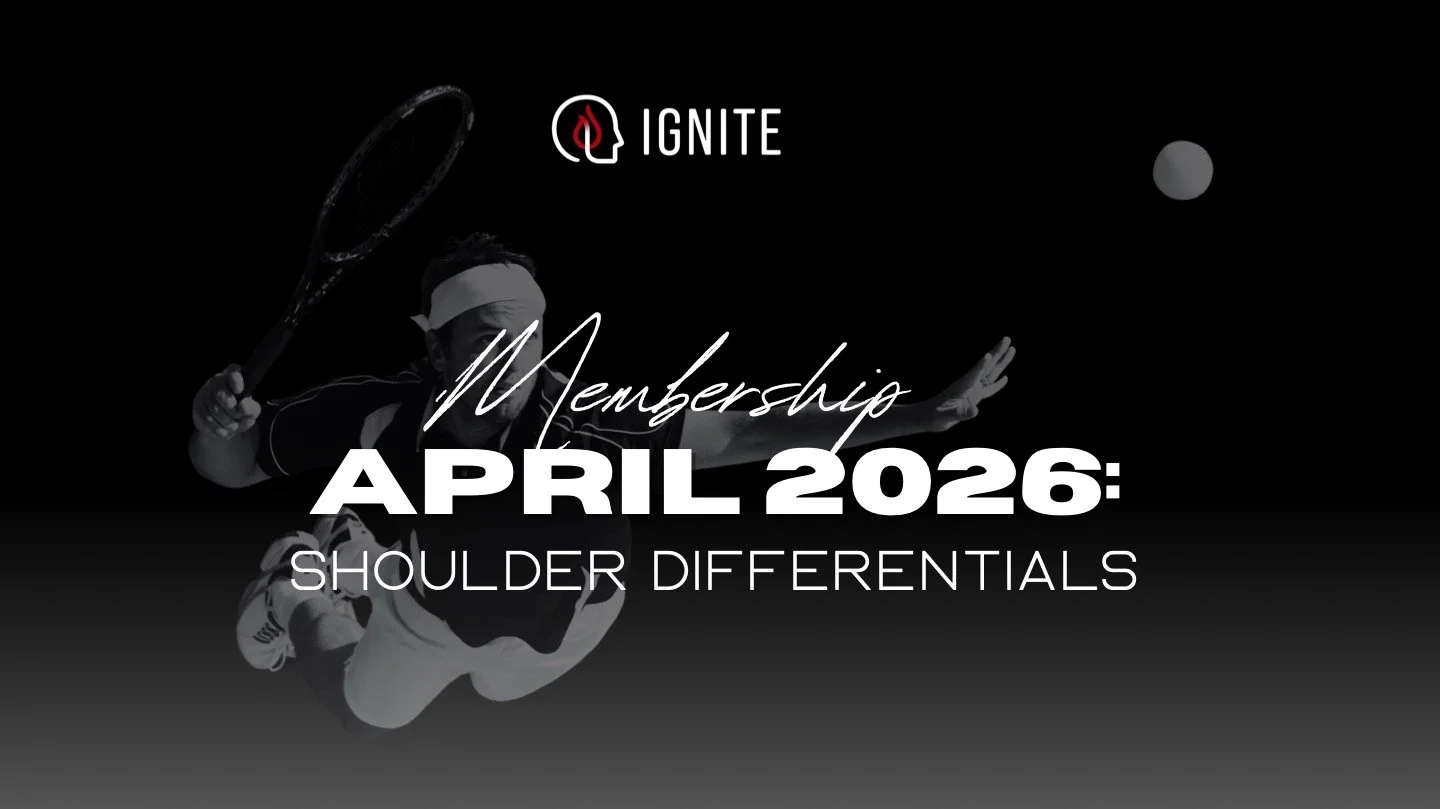
Exclusive Membership Content: Shoulder Differential Diagnosis
Shoulder pain is one of the most common—and most misunderstood—complaints in orthopedic and sports practice.
Is it rotator cuff–related?
Cervical referral?
Labral involvement?
Neural contribution?
Thoracic influence?
Too often, providers rely on special tests, isolated strength findings, or pain location alone—only to feel uncertain when the presentation doesn’t neatly fit a textbook diagnosis.
In this month’s exclusive lecture, we walk you through a structured framework for correctly identifying the different sources of shoulder pain—so you can move beyond guesswork and into confident clinical reasoning.
Exclusive Membership Content: Thoracic Outlet Syndrome
This month inside the membership, we’re diving deep into Thoracic Outlet Syndrome (TOS)—a condition that is often misunderstood, misdiagnosed, and challenging to manage with confidence.
In this lecture, we’ll break down the different types of TOS—neurogenic, venous, and arterial—and clarify how to differentiate them in real clinical practice. You’ll learn how to recognize key subjective patterns, objective findings, and movement-based presentations that help you move beyond uncertainty and toward clinical clarity.
Exclusive Membership Content: Neurodynamic Treatment
Neurodynamic treatments are powerful—but when applied incorrectly, they can easily flare a patient’s symptoms and erode trust.
In this month’s exclusive lecture, we break down how to use neurodynamic interventions the right way—so you can reduce neural sensitivity, improve movement tolerance, and confidently progress your patients without provoking setbacks.

Live Case Series: Introduction to Differential Diagnosis
Build real-world diagnostic confidence in this hands-on, in-person workshop for physical therapists. Work with live patients as we walk through structured clinical exams, explore red flag screening, and practice a repeatable framework for differential diagnosis.
You’ll observe instructor-led evaluations, engage in group-based clinical reasoning, and leave with practical tools to apply on Monday.
Perfect for PTs ready to sharpen their decision-making and bridge the gap between theory and practice. Worth 4 CCUs!

Student and New Grad Night
When: Thursday, December 11th, 7:00–9:00 PM
Where: RISE Gym
What’s included: Networking • Career development advice • Pickleball!
Launching a career in physical therapy can feel overwhelming—but you don’t have to figure it out alone. At this Student and New Grad Night, learn practical ways to:
Find ways to make sure you start your career with a solid foundation over the next three to five years
Build clinical confidence faster in your evaluations and decision-making
Avoid the most common mistakes new grads make
And yes—we’re mixing in some fun, too. After all, networking goes best with movement. Come ready to play pickleball, relax, and build real connections.
For any DPT students, New Grads, or anyone who wants to combine networking, mentorship, and fun.

Free Webinar: Adhesive Capsulitis - How to Identify & Treat
Adhesive capsulitis is a common cause of shoulder pain and stiffness—but it’s often misdiagnosed and mistreated.
In this free, 1-hour webinar, we’ll walk you through how to confidently identify adhesive capsulitis, differentiate it from other causes of shoulder pain and mobility loss, and treat it with strategies that go beyond generic stretching and passive modalities.
We’ll cover definitions, stages of the condition, key evaluation findings, contributing factors, and research-backed treatment plans you can put into practice right away.
Date: Tuesday, November 11, 2025
Time: 7:15 PM CST
Location: Live online (with replay available to all who register)
Who it’s for: Physical Therapists, PTAs, and rehab professionals who work with active patients and athletes

Running Rehab: From Exam to Return to Sport
Live In Person Course | Sept 27, 2025 | 10:00 AM – 2:00 PM CST
Runners are unique—and so are their injuries. If you’ve ever second-guessed how to assess and treat a runner beyond just “rest and refer,” this course is for you.
“Running Rehab: From Exam to Return to Sport” walks you through a clear, evidence-informed framework to assess, differentially diagnose, and rehab running-related injuries. You’ll get practical tools you can use right away in the clinic—without overcomplicating your exam or guessing at your programming.
What We’ll Cover:
Introduction to Running Rehab: Key biomechanical and loading concepts you need to know
The Running Assessment: Learn to take a relevant subjective, perform a targeted functional and objective exam, and spot what matters most
Differential Diagnosis: Simplifying the biomechanics of a runner to build confidence in identifying common running injuries and what contributes to them
Performance-Based Assessment and Treatment: Strength, movement control, and readiness for return to running
Instructor:
Dr. Jaime Aparicio, PT, DPT, OCS, FAAOMPT
Dr. Jaime Aparicio is a residency and fellowship-trained physical therapist and the founder of Ocote PT & Performance, a clinic dedicated to the care and performance of runners and endurance athletes. He has over a decade of clinical and field experience working with runners, has served as Medical Director for a trail running race company, and is an RRCA-certified coach. A competitive marathon and ultramarathoner himself, Jaime blends expert-level rehab with the practical insight of an experienced runner.
Course Format:
Live in-person | Lecture + Clinical Demo
Who It’s For:
Outpatient ortho and sports physical therapists who want to feel more confident working with runners and endurance athletes—at any level.
Date & Location:
Date: Saturday, Sept 27, 2025
Time: 10:00 AM – 2:00 PM CST
Location: Rise Barbell (11703 Spring Cypress Road, Tomball, Texas 77377)

Free Webinar: IT Band Syndrome
IT Band Syndrome is one of the most common causes of lateral knee pain—but it’s also one of the most misunderstood.
In this free, 1-hour webinar, we’ll walk you through how to confidently identify IT Band Syndrome, how to differentiate it from other sources of lateral knee pain, and how to treat it with strategies that go beyond foam rolling and stretching.
This isn’t a fluff review. We’ll get into definitions, contributing factors, and research-backed treatment plans you can use right away.
Date: Tuesday, September 9, 2025
Time: 7:15 PM CST
Location: Live online (with replay available to all who register)
Who it’s for: Physical Therapists, PTAs, and rehab professionals who work with active patients and athletes
Free Webinar: Programming 101
Whether you're writing exercise programs for post-op knees or athletes returning to sport, a strong foundation in programming can make or break your outcomes.
In this live webinar, we’ll cover the basics of sound program design—what actually matters, what doesn’t, and how to simplify your decision-making process. We’ll break down key principles like volume, intensity, recovery, frequency, and progression—and how to apply them whether you’re working with a patient in pain or an athlete pushing for peak performance.
By the end, you’ll walk away with a practical, principle-driven approach to writing programs that are individualized, goal-oriented, and adaptable to real-life barriers like time, energy, and setbacks.
Date: Tuesday, July 15, 2025
Time: 7:15 PM CST
Location: Live online (with replay available)
Who it’s for: Physical Therapists, Rehab Clinicians, and Strength Coaches
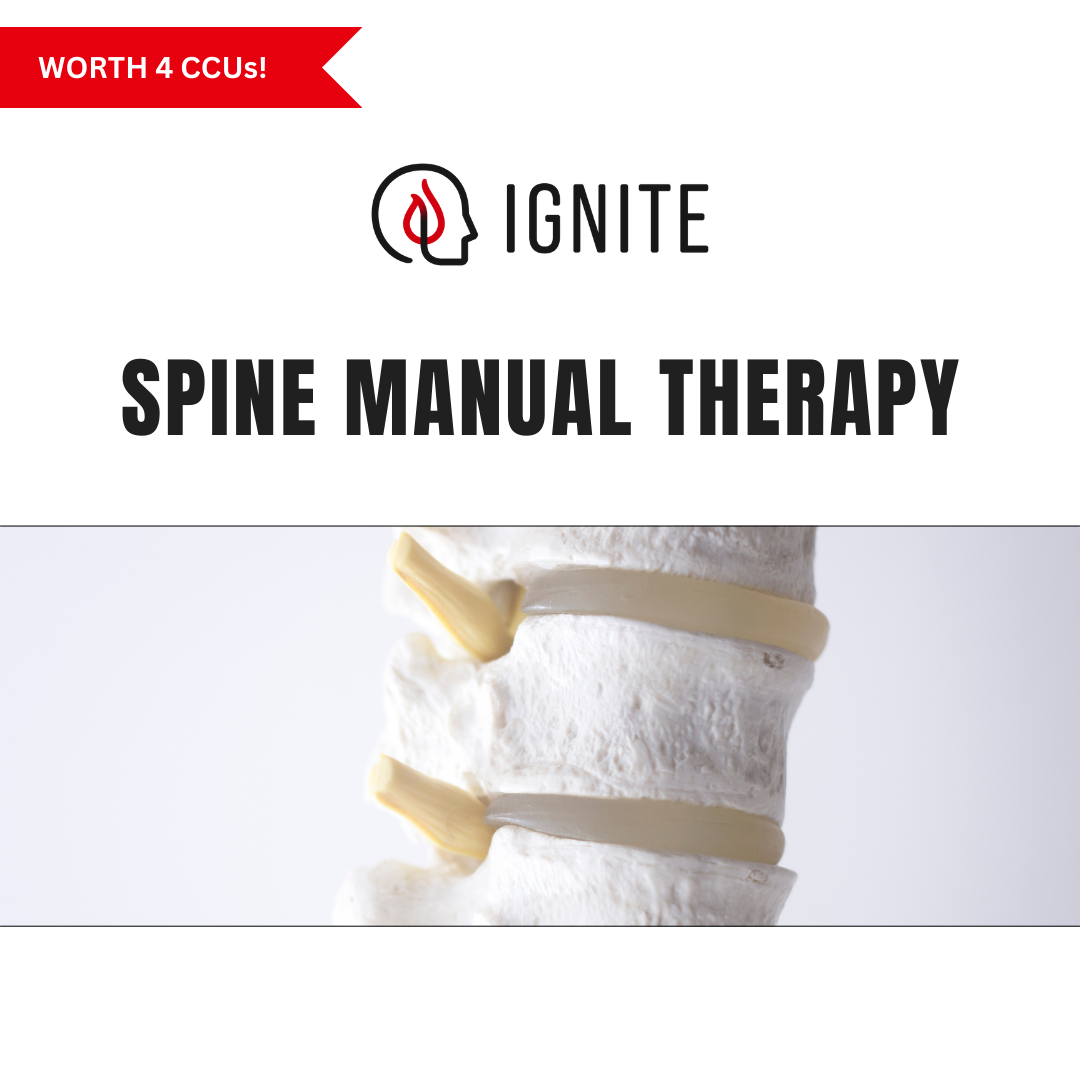
Spine Manual Therapy
Manual Therapy Mastery – June 7 | 8:00 AM–12:00 PM (4 CCUs)
A hands-on workshop focused on applying manual therapy techniques to the cervical, thoracic, and lumbar spine. Learn positional variations, clinical reasoning for technique selection, and case-based applications to elevate your patient outcomes and build treatment confidence.

Free Webinar: Lateral Ankle Sprain
A Practical Guide to Lateral Ankle Sprains
Taking place May 21st at 7:15 pm CST!
Lateral ankle sprains are one of the most common sports injuries, yet improper management can lead to chronic instability and prolonged recovery. In this expert-led webinar, we’ll break down what lateral ankle sprains are, how they happen, how to assess them effectively, and the best evidence-based treatment strategies.

Free Webinar: Patellofemoral Pain Syndrome
About the Webinar
Patellofemoral Pain Syndrome (PFPS) is a common cause of knee pain, yet its complexity often leads to misdiagnosis and ineffective treatment. Understanding how to accurately identify and manage PFPS is crucial for optimizing patient outcomes and preventing long-term dysfunction.
Join Ignite Clinical Institute for a one-hour live webinar designed to give physical therapists a clear framework for diagnosing and treating PFPS with confidence.
What You’ll Learn
The key clinical features of Patellofemoral Pain Syndrome
How to differentiate PFPS from other sources of anterior knee pain
A structured assessment approach for accurate diagnosis
Evidence-based treatment strategies to improve pain and function
Practical case discussions for real-world application
Why Attend?
Gain a deeper understanding of PFPS and its contributing factors
Enhance confidence in your diagnostic and treatment approach
Learn practical, research-backed interventions that you can implement immediately
This webinar is designed to help you refine your clinical skills and ensure your patients receive the most effective care possible.

Free Webinar: Rotator Cuff-Related Pain
About the Webinar
Differentiating rotator cuff-related shoulder pain from other musculoskeletal conditions can be challenging. Shoulder pain is one of the most common complaints seen in clinical practice, yet its complexity often leaves therapists uncertain about the best approach.
Join Ignite Clinical Institute for a FREE one-hour live webinar designed to provide physical therapists with a clear and structured approach to assessing, diagnosing, and treating rotator cuff-related pain.
What You’ll Learn
How to differentiate rotator cuff pathology from impingement and referred pain
A clinical reasoning framework for effective decision-making
Evidence-based treatment strategies to improve patient outcomes
Practical case discussions to bridge knowledge and real-world application
Why Attend?
Gain clarity on complex shoulder conditions
Build confidence in your assessment and treatment approach
Learn practical strategies you can apply immediately in your practice
This webinar is designed to provide actionable knowledge that enhances your ability to manage rotator cuff-related shoulder pain with confidence and effectiveness.

Comprehensive Guide to Managing Neuropathic Pain: Evaluation & Treatment
Now Accepting Virtual Seats for Our Most Popular Course!
Join us for an 8-week, online series starting February 22nd, featuring live, 1-hour sessions every Saturday from 10:00–11:00 AM CST. Can’t make it live? No worries—recordings will be available weekly. This course is lecture-based, delivered entirely online, and worth 8 CCUs.

ONLINE: Strength & Conditioning Principles in a Rehab Setting
ONLINE.
Not sure whether you are overloading or under-loading your patients? How might your programming change depending on the tissue that you load? How can you successfully progress your patient across the finish line without increasing risk of overload-related injuries or setbacks?
Join us as we address how to apply the world of strength and conditioning to our patients while helping our patients recover safely.

Free: Manual Workshop
Want to practice your hands-on skills without having to rushing through your day in the clinic? Come join us for free as we cover various manual techniques together. We will have treatment tables available for you to use.
We are currently FULL. Stay tuned for future events!

Comprehensive Guide to Managing Neuropathic Pain: Treatment
Taking place July 20th from 8am - 12pm in Cypress, TX for 4 CCUs.
Ever had that patient walk into your clinic with symptoms that you were pretty sure were neural, but you couldn’t identify where the symptoms where coming from or what the root of the problem was, much less how to treat them?
In this in-person lecture and lab, we will be covering not only how to identify different types of neuropathic pain, but why they may be experiencing their pain so that you can effectively address the problem.
This course is a follow up to Comprehensive Guide to Managing Neuropathic Pain: EvaluationI, but not necessary to attend part one before attending part two.

Comprehensive Guide to Managing Neuropathic Pain: Pt. 1 - Evaluation
Taking place July 13th from 8am-12pm in Cypress, TX for 4 CCUs.
Ever had that patient walk into your clinic with symptoms that you were pretty sure were neural, but you couldn’t identify where the symptoms where coming from or what the root of the problem was?
In this in-person lecture and lab, we will be covering not only how to identify different types of neuropathic pain, but why they may be experiencing their pain so that you can effectively address the problem.

Free Webinar - From Agony to Ease: Managing Severe Lumbar Disc Pain
Patients dealing with pain from an acute lumbar herniated disc can be some of the most difficult patients to treat in regards to calming down their symptoms. Join us for a free webinar as we discuss:
When to know when to refer these patients to a specialist, keep them in conservative care, or do both
How to calm symptoms down when tolerance to activity is low
Keys to load management and patient education.

Mastering Your Evaluations: Pt. 1 - The Subjective Interview
Taking place ONLINE Saturday, June 8th from 9am-12pm CST for 4 CCUs.
Are you having a hard time getting 80-90% of the way to your clinical diagnosis while building rapport with your patient in your subjective interviews?
Poor management of a subjective interview can often lead to a messy objective exam, an unclear or inaccurate diagnosis, and often set up a poor foundation for your treatment plan of your patient. This can cause a lot of frustration both in physical therapists who aren’t getting good results in their patients and in patients who don’t feel like their needs are being met.
Don’t waste your time trying to trial and error your way to a better evaluation over the years, or waste the time of your patients trying to get help.
Come learn how to transform your subjective interview into a methodical, accurate framework and learn how to ask the right questions in a way that helps you and your patient reach a successful goal together.

Free Webinar: How to Handle Difficult Patients
Join us for a free webinar designed to equip physical therapists with essential skills for handling challenging patient interactions. Dealing with difficult patients is an inevitable aspect of healthcare, and as a physical therapist, knowing how to effectively navigate these situations is crucial.
In this webinar, we explore strategies for identifying barriers, building trust, and fostering positive relationships with even the most challenging patients. Whether they are frustrated by past experiences, distrustful of the medical system, or simply difficult to communicate with, we will discuss practical tips and techniques to help you turn challenging encounters into opportunities for positive outcomes.
Don’t miss this opportunity to enhance your patient communication skills and improve patient satisfaction. Save your seat to get valuable insights that empower you to handle difficult patient interactions with confidence and professionalism.
We will be sending out a replay afterwards, so while joining the live discussion will be most fruitful, if you can’t make it, sign up anyways!

Integrating Barbell Training Into Rehab: Pt. 2 - Upper Body
Join us May 18th from 1pm - 5pm in Cypress, TX, for 4 CCUs.
Want to utilize barbell training but not quite sure how? Join us as we discuss:
Proper training technique
Indications on when to use and when to hold on particular lifts during a patients episode of care
How to work around different injuries
This course will focus mainly on lifts that affect rehabilitation of the upper extremity.

Integrating Barbell Training Into Rehab: Pt. 1 - Lower Body
Join us May 18th from 8am - 12pm CST in Cypress, TX, for 4 CCUs.
Want to utilize barbell training but not quite sure how? Join us as we discuss:
Proper training technique
Indications on when to use and when to hold on particular lifts during a patients episode of care
How to work around different injuries
This course will focus mainly on lifts that affect rehabilitation of the lower extremity.
In-Person Courses
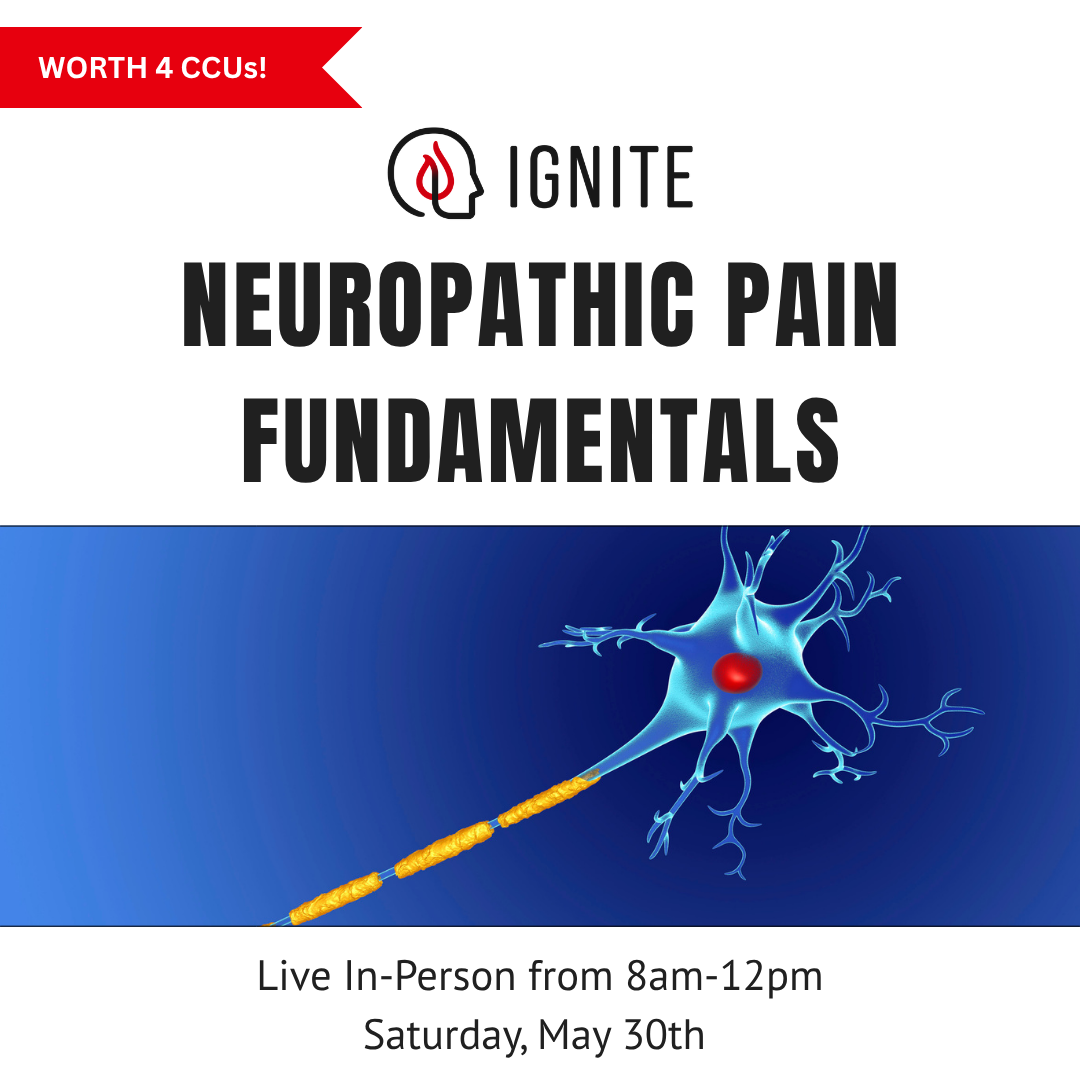
May 30th | 8:00 AM – 12:00 PM | 4 CCUs
Hosted at Bulletproof Clinic (9000 Hempstead Rd #128, Houston, TX 77008)
Course Overview
Neuropathic pain is frustrating—because it’s often unclear.
You’re looking at a patient with burning, radiating, or hypersensitive symptoms… and you’re left wondering:
Is this central or peripheral?
Is this a radiculopathy, nerve involvement, or something else entirely?
Should I treat, refer out, or dig deeper?
If you’ve ever second-guessed your clinical decisions in these moments, you’re not alone.
Neuropathic Pain Fundamentals is designed to simplify the complexity.
This 4-hour, high-impact course gives you a clear, practical framework to confidently identify, categorize, and manage neuropathic pain in the clinic—without overcomplicating your process.
It’s a streamlined version of our comprehensive course, built for clinicians who want immediate clarity and clinical application.
What You’ll Learn
How to confidently differentiate central vs. peripheral neuropathic pain
Key screening tools and subjective interview strategies that actually guide decision-making
How to determine whether symptoms are driven by nerve conduction, movement sensitivity, or chemical irritation
Clear clinical reasoning for when to treat vs. when to refer
A simplified framework to build and progress effective treatment plans
What Makes This Course Different
This isn’t just more information—it’s a way to think.
You’ll learn how to connect foundational knowledge to real patient presentations so you can stop guessing and start making confident, informed decisions in real time.
What You’ll Walk Away With
A clear, repeatable process for identifying the type and source of neuropathic pain
The ability to explain complex symptoms in a way your patients actually understand
A confident system for building treatment plans—or referring appropriately
Immediate tools you can apply in your very next patient interaction
Who This Course Is For
Clinicians who feel unsure when navigating neuropathic pain presentations
New grads looking for a clear, structured approach
Experienced providers who want to refine and simplify their clinical reasoning
Course Details
Date: May 30th
Time: 8:00 AM – 12:00 PM
Location: Bulletproof Clinic (9000 Hempstead Rd #128, Houston, TX 77008)
Credits: 4 CCUs
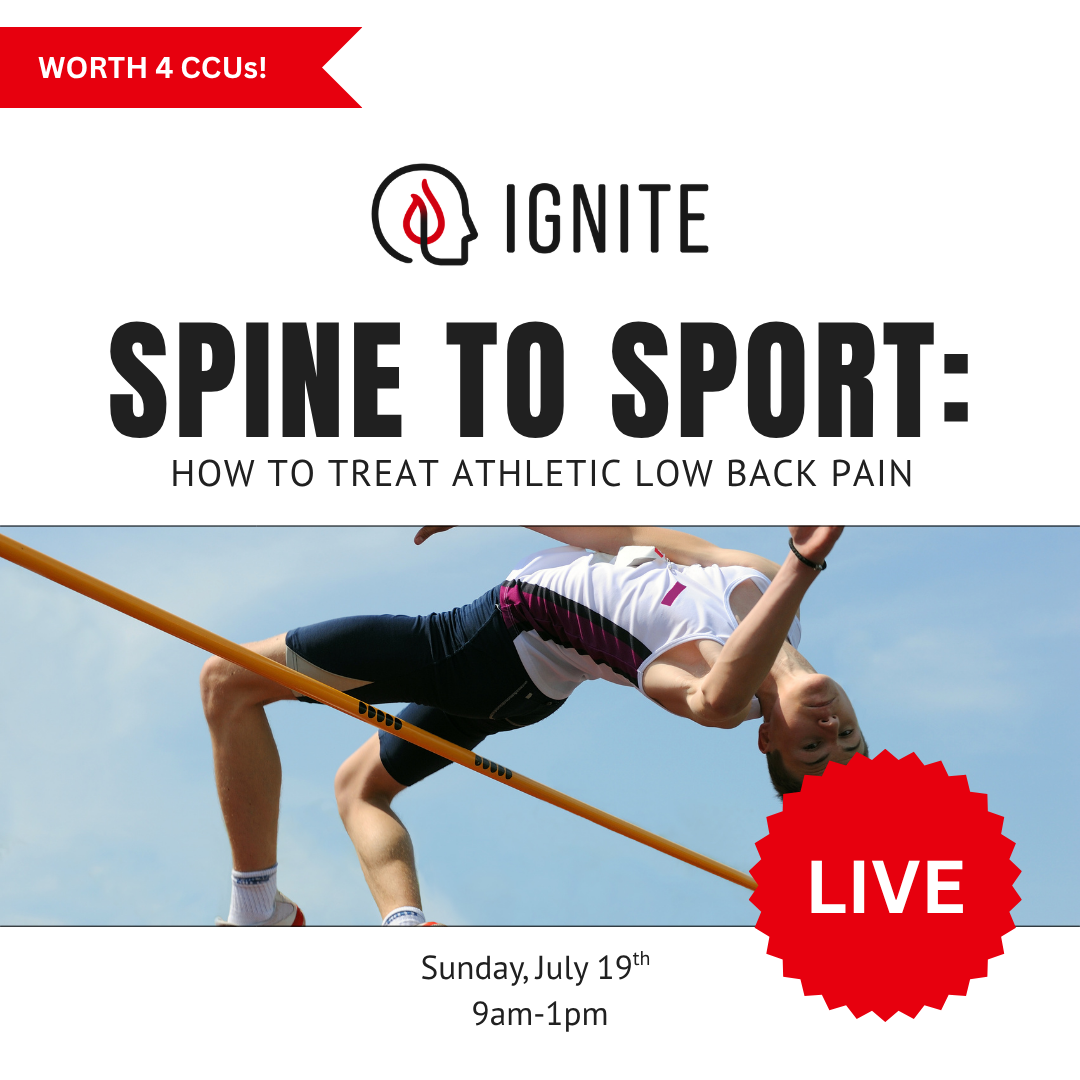
Date: Sunday, July 19th, 2026
Time: 9:00 AM – 1:00 PM CST
Course Type: Live, In-Person
CCUs: 4
Location: Rise Gym – 11703 Spring Cypress Rd, Tomball, TX 77377
Course Description:
Most rehab for low back pain stops too soon. Once symptoms improve, patients are often discharged with little direction—or stuck in endless “core stability” work that doesn’t prepare them for real-life performance.
Spine to Sport is built for the next phase—the one that rarely gets talked about.
This course will guide you through how to take patients with spine-related pain, especially low back pain, from basic strength work all the way to plyometrics, sprinting, cutting, and agility. Whether they're returning to competitive sport or a physically demanding job, this course gives you a clear framework to get them there safely and confidently.
You’ll learn how to assess when someone is ready for higher-level loading and movement, how to design phase-based progressions, and how to modify plans based on specific spine diagnoses.
What You’ll Learn:
How to know when a patient is ready to progress beyond general strength work
Phase-based planning for returning to plyometrics, change of direction, and sprint work
Key assessment tools to guide decision-making in real time
How to adapt progression strategies based on diagnosis (discogenic, joint-related, etc.)
Why It Matters:
Too often, back pain rehab ends with general advice and low-level exercises. That’s not enough for patients who need to run, jump, pivot—or simply lift with confidence.
This course gives you the tools to go further—so your patients can too.

Date: Saturday, August 8th, 2026
Time: 9:00 AM – 1:00 PM CST
Course Type: Live, In-Person
CCUs: 4
Location: PIONE3R Physical Therapy & Wellness Clinic
3315 Marquart St Suite 270, Houston, TX 77027
Course Description:
Barbell lifts like the squat and deadlift are powerful tools in rehabilitation—but many physical therapists never receive formal training in how to perform or coach them correctly. That gap matters.
Without a clear understanding of these foundational movements, therapists often lack the confidence to integrate strength training into rehab. Worse, patients may miss out on critical progress toward their goals—whether it’s returning to sport, building resilience, or simply gaining the strength to thrive in everyday life.
This course is designed to change that.
You’ll learn how to both perform and coach the squat and deadlift with clinical precision, so you can confidently integrate them into treatment plans and progress patients safely. Whether your patient is working toward an athletic goal or just needs real-world strength, this course will give you the clarity to lead them well.
What You’ll Learn:
Master Barbell Movement Mechanics
Learn proper technique for the back squat and deadlift from the ground up.Build Clinical Confidence in Strength Coaching
Understand how and when to introduce barbell lifts in rehab and return-to-activity programs.Recognize and Correct Faults
Gain hands-on experience in assessing movement quality and cueing effectively.
Why It Matters:
Too often, therapists give general strengthening advice without a true plan—or avoid barbell lifts altogether due to uncertainty. This course will give you the confidence, clarity, and coaching skills to use these movements with purpose.
Whether you're in a performance clinic, a traditional outpatient setting, or working with athletes or everyday patients, this course will elevate how you think about strength.